Newport Beach has about 10 miles of coastline and a long line of rock jetties along the Balboa Peninsula, and each one shapes its own surf break (American Surf Magazine). The general rule: the beach breaks at the south end near the pier are mellower, and the waves get bigger and more serious as you move up the coast (Visit Newport Beach). Here’s how four of the best-known spots compare, from the friendliest to the most dangerous.
Quick comparison
- Blackie’s: beginners and longboarders; mellow most of the year; crowded.
- 32nd Street: intermediate jetty break a few blocks up from Blackie’s.
- 40th Street: advanced; hollow, ledgy jetty waves; heavy localism.
- The Wedge: experts and spectators only; waves up to about 30 feet breaking on the sand.
1. Blackie’s
Newport’s classic beach break sits next to the Newport Pier and the 28th Street jetty. It was first called 22nd Street and later took its name from Blackie’s By The Sea, the bar you can see from the lineup. In the 1960s it was home base for the Newport Beach Surfing Association, and the longboard revival has made it a proving ground again (The Surfer’s Journal).
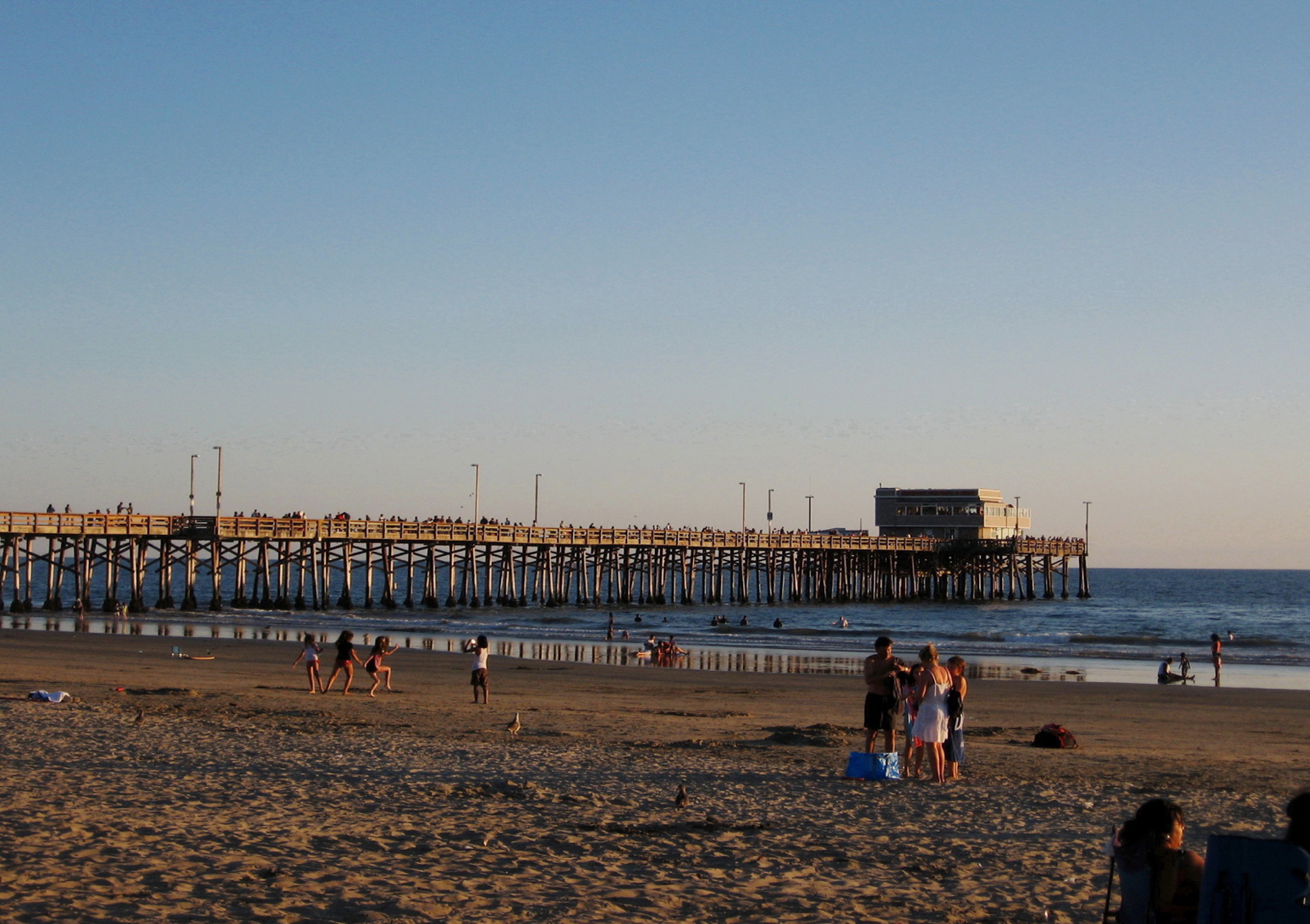
Pluses: Most of the year it’s a friendly wave for beginners and longboarders, and Visit Newport Beach recommends it as the place to start (Visit Newport Beach). In winter, with a solid northwest swell, it can turn into one of Orange County’s best beach breaks (WannaSurf). It has a creative log-riding culture all its own (The Inertia).
Minuses: It’s crowded on weekdays and packed on weekends, and parking can be close to impossible on busy days (WannaSurf).
Local tip: Beginners should start on an 8- or 9-foot board for balance and flotation (Visit Newport Beach). After the session, the bar the break is named for is a few steps away.
Own Blackie’s By The Sea? Claim your business listing on Newport Beach Daily News.
2. 32nd Street
A few blocks up the Peninsula from Blackie’s, 32nd Street is one of Newport’s numbered jetty breaks. Like its neighbors, the rock jetty helps hold sandbars in place, so the waves peak and break faster than the open beach (American Surf Magazine).
Pluses: A natural next step for surfers who have outgrown Blackie’s, with more shape and punch than the pier.
Minuses: Less written about than the famous breaks, so ask locals and watch a few sets before you paddle out. Like the other jetty spots, it can get crowded when it’s working.
Local tip: City code bars boards within 20 feet of any jetty, pier or rock formation (Newport Beach Municipal Code 11.16), so give the rocks room.
3. 40th Street
40th Street is a jetty break with three distinct peaks: a shallow left off the jetty that barrels when conditions line up, longer lefts and a wedging right at First Peak, and Middles, which breaks either way depending on swell direction. It works on almost any swell direction and is best at low to mid tide, especially on a rising tide (WannaSurf).
Pluses: Hollow, high-performance waves, and it picks up swell from the northwest through the southeast.
Minuses: Localism here is heavy. One longtime contributor warns visitors off the jetty left unless they grew up surfing it. Rips, rocks and weekend crowds round out the list (WannaSurf).
Local tip: If you’re new to 40th, start at Middles on a weekday, wait your turn and leave the jetty peak to the regulars.
4. The Wedge
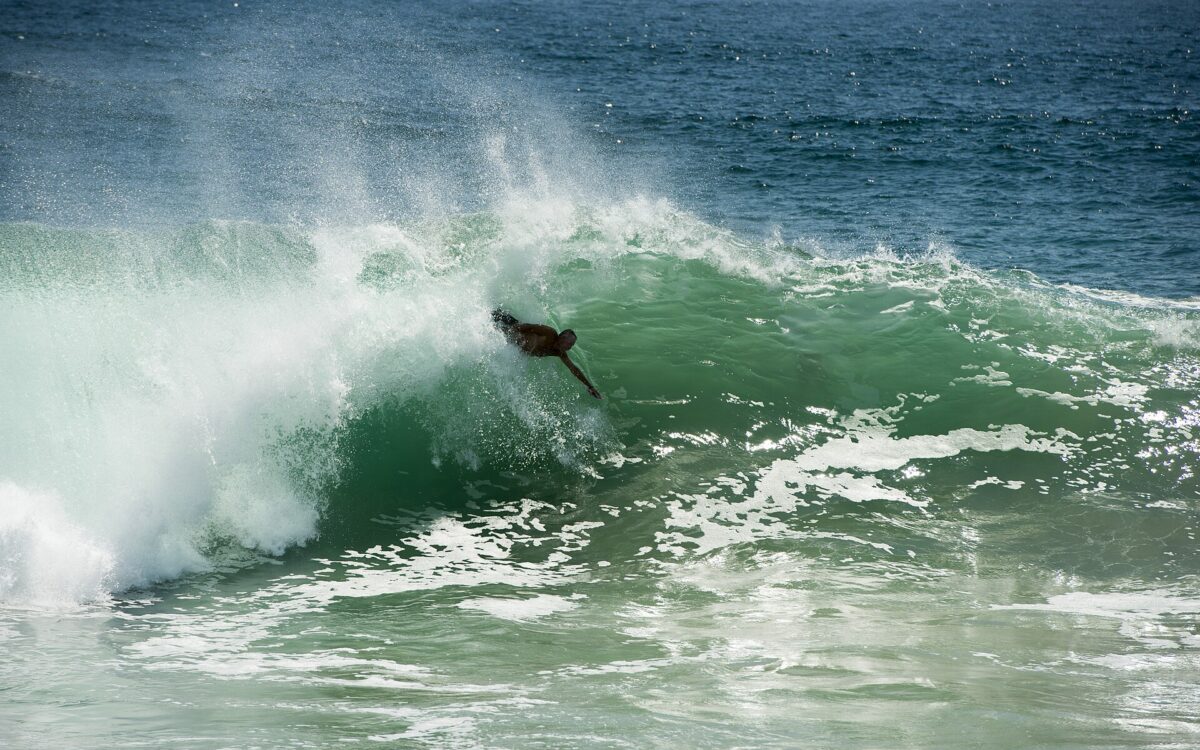
At the very end of the Balboa Peninsula, south swells bounce off the roughly 2,000-foot West Jetty, built in the 1930s, and stack onto incoming waves. The result is a steep shorebreak that can reach about 30 feet and breaks just yards from the sand (Wikipedia).
Pluses: It’s one of the most famous bodysurfing waves in the world, and the show from the sand is worth the trip. Visit Newport Beach recommends checking the Wedge cam before you go, and says summer and fall bring the biggest surf. There’s free street parking in the neighborhood (Visit Newport Beach).
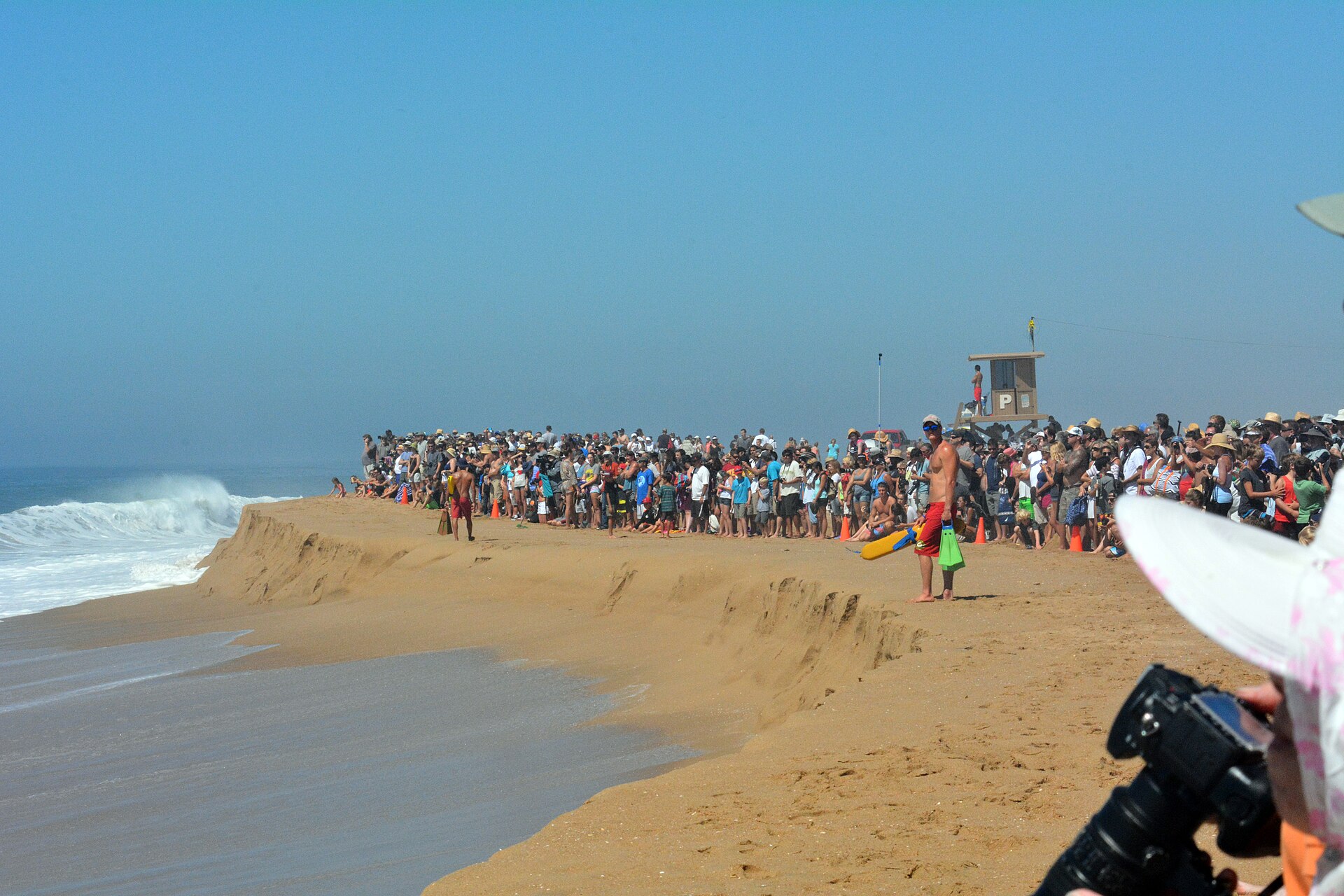
Minuses: It is genuinely dangerous. The backwash and steep shorebreak throw riders into shallow sand, and injuries include concussions, spinal injuries and near-drownings (Wikipedia). From May 1 to Oct. 31, boards are banned from 10 a.m. to 5 p.m., when only bodysurfing is allowed (Visit Newport Beach).
Local tip: Unless you’re an experienced Wedge bodysurfer, watch from the sand. Less experienced surfers should stay on shore (American Surf Magazine).
Rules every surfer should know
- When lifeguards fly the yellow flag with a solid black circle, the “blackball,” surfing is not allowed in that area (Newport Beach Municipal Code 11.16).
- Lifeguards and police can stop surfing in an area when conditions or crowds make it hazardous.
- Stay at least 20 feet from piers, jetties and rocks, and out of the harbor entrance.
Before or after your session
Grab a post-surf coffee from our top 5 local coffee shops, or make a day of it with our visitor’s guide to Newport Beach, which starts at the Balboa Fun Zone just up from The Wedge. Newport’s water sports run deep: read how local pools turned into a pipeline for college and Olympic athletes in our water polo story.
Own a surf shop or surf school?
Find your business in our local business directory and claim your listing. It’s $99 a year with a full subscription included. Here’s how it works.
Quick answers
Where should beginners surf in Newport Beach?
Blackie’s, next to the Newport Pier, is the usual recommendation for beginners and longboarders.
Can you surf The Wedge?
Only experienced riders should try. From May 1 to Oct. 31, boards are banned there from 10 a.m. to 5 p.m. and only bodysurfing is allowed.
What does the blackball flag mean?
A yellow flag with a solid black circle means surfing with a board is not allowed in that area.
Read the latest Newport Beach headlines on Newport Beach Daily News.